



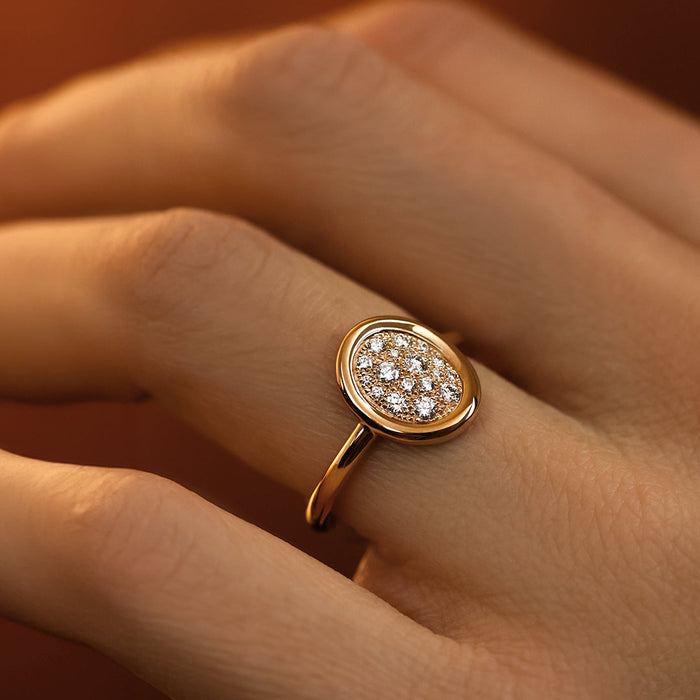


Jewellery Care Guide: Essential Tips to Preserve Your Pieces
This jewellery care guide helps preserve the brilliance of your yellow, white or rose gold creations, with or without gemstones. Discover how to clean jewellery gently, choose the right tools, avoid unsuitable methods and recognise when a workshop inspection is needed. From everyday storage to caring for rings, wedding bands, necklaces and bracelets, these tips help maintain the beauty of your pieces. At Deloison, we help you adopt the right care routine for your creation.
Understanding materials for appropriate care
Yellow, white and rose gold: basics and mistakes to avoid
Gold jewellery retains its brilliance with regular, gentle care. For a piece without delicate stones, use lukewarm water, a few drops of mild soap and a very soft-bristled brush.
Clean without applying pressure to remove marks and deposits, and avoid harsh products and abrasive tools.
Yellow and rose gold can develop fine scratches over time. Gentle cleaning removes dirt but does not replace professional polishing when needed.
If using a specialist jewellery cleaner, check its compatibility with the metal, stones and finish. Follow the manufacturer's instructions and ask for advice if unsure.
Avoid prolonged soaking and household cleaners. Overly abrasive methods can mark surfaces or affect certain treatments.
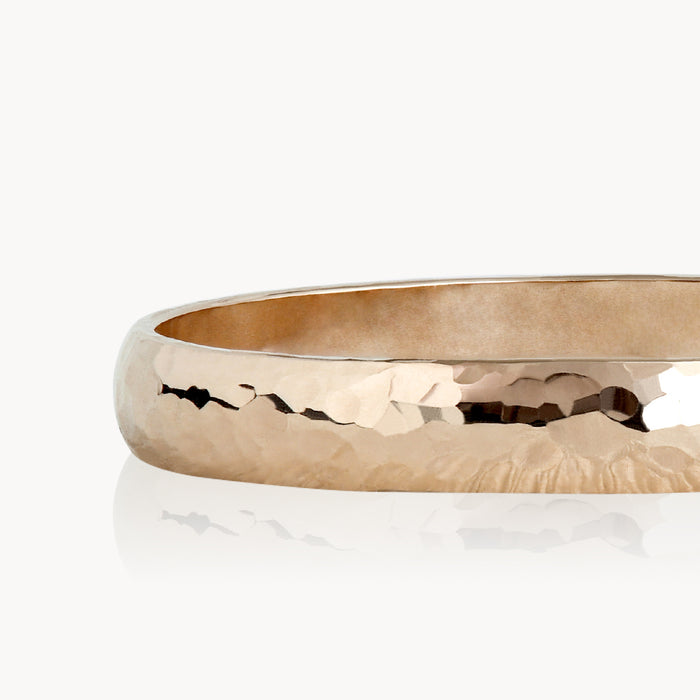
For brushed or hammered finishes, use gentle movements: polishing cloths or persistent rubbing can change their appearance.
Rinse thoroughly with clean water in a bowl rather than directly over a drain, then dry with a soft, lint-free cloth.
White gold jewellery may have a rhodium coating that enhances its bright white appearance. This finish gradually wears; if it fades, a workshop inspection can assess whether rhodium replating would help.
Use a very soft brush around engraved details and settings, without repeatedly rubbing delicate areas.
Adapting care to the metal, finish and condition preserves your jewellery's details.
Caring for precious and semi-precious stones
Each stone needs care suited to its sensitivity, inclusions and any treatments. Before cleaning a gemstone ring, identify the gem and check its setting is in good condition.
For many pieces set with diamonds, sapphires or rubies, gentle cleaning with lukewarm soapy water is suitable. Avoid chemicals and sudden temperature changes.
Emeralds require additional care. Their inclusions and possible treatments favour gentle cleaning, without firm rubbing or prolonged soaking.
Do not use ultrasonic or steam cleaners on emeralds. For other stones, also seek advice before using these devices.
Some semi-precious stones are sensitive to heat, light or cleaning products. A method suitable for diamonds does not automatically suit every gem.
If your jewellery has a treated stone, crack or weakened setting, consult a professional before cleaning at home.
At Deloison, our team can advise on care suited to your creation's stone and setting.
Taking the gem and your lifestyle into account helps preserve your jewellery's beauty over time.
Polished, brushed or hammered finishes: specific advice
Polished finishes easily show fingerprints. A soft, non-abrasive cloth removes them without attempting to erase scratches.
For thorough cleaning, use lukewarm soapy water if the stones allow it, then rinse and dry carefully.
Brushed or hammered finishes need their texture preserved. Avoid polishing pastes and impregnated cloths without professional advice.
Do not restore a texture or scratched surface yourself: you could alter the creation's relief or proportions.
For special finishes, follow your jeweller's advice. An inspection identifies the care that preserves their original appearance.
Cleaning and protecting everyday jewellery according to use
Care routines for rings and wedding bands
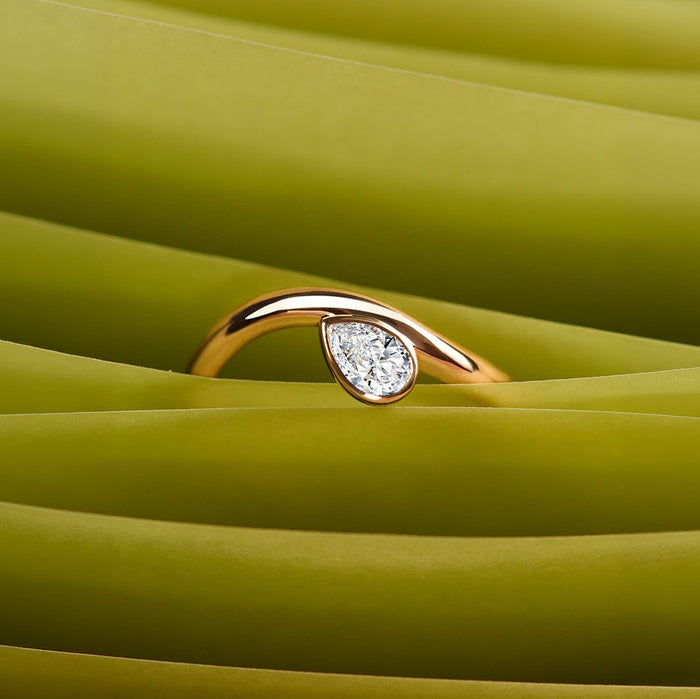
To maintain the brilliance of your ring or wedding band, regularly wipe its surface with a soft cloth without rubbing firmly.
This removes fingerprints and light deposits. Adapt the frequency to your use and the piece's condition.
Gentle cleaning with lukewarm soapy water complements this routine when the metal, stones and setting allow it.
Rinse thoroughly and dry before storing. Avoid brushing loose stones or damaged settings.
Remove rings and wedding bands before swimming, exercising, gardening or housework. Chlorine, impacts and friction can affect jewellery; cold water also increases the risk of losing it.
If your ring is engraved inside, clean this area gently. Abrasive products and repeated polishing can soften engraved details.
Caring correctly for necklaces, pendants and bracelets
Remove necklaces and bracelets before showering, swimming or activities that could pull a chain or catch a clasp.
Apply perfume, creams and cosmetics before putting on jewellery to limit deposits on gold and stones.
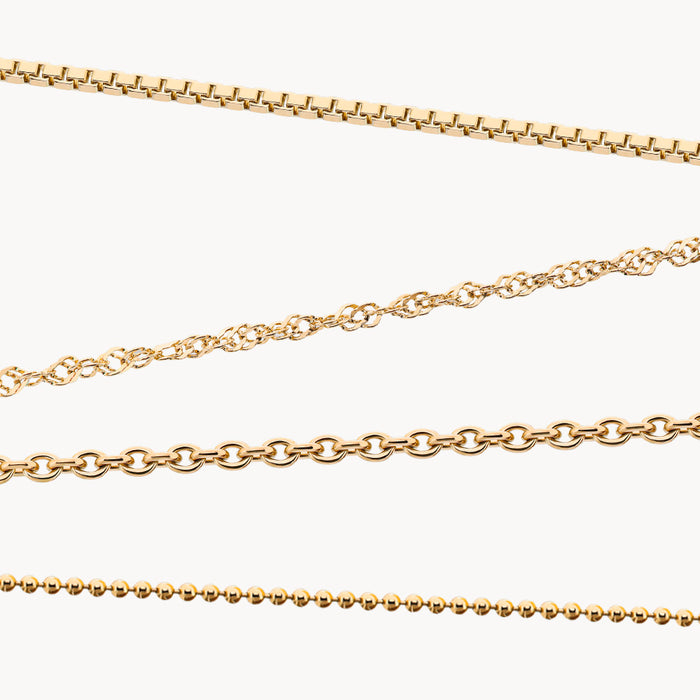
Where suitable, gentle cleaning with lukewarm soapy water removes dirt. Handle chains without stretching them, then dry thoroughly.
Check clasps, links and pendant attachments regularly. If a part appears bent or weakened, stop wearing the piece and arrange an inspection.
Caring for earrings
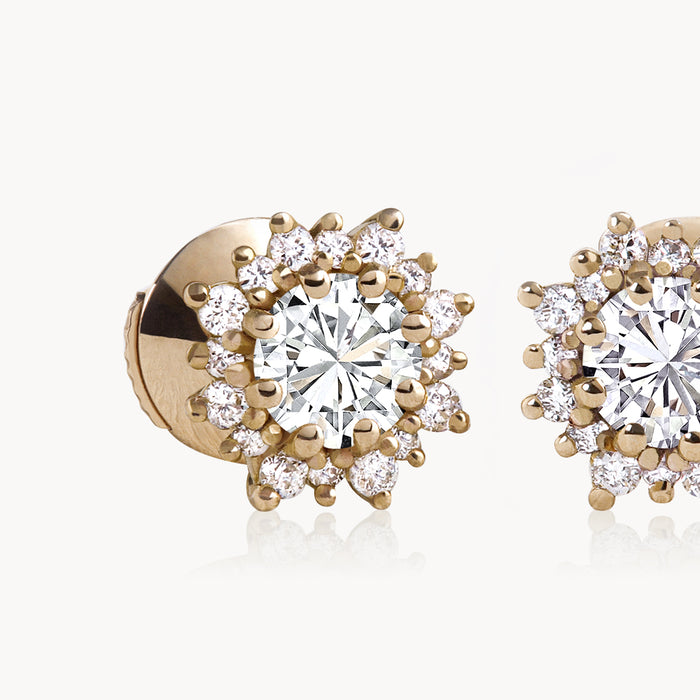
Gently clean earrings with a soft cloth to remove marks and residue. Pay particular attention to posts and clasps, adapting cleaning to the stones and finish. Check they are secure before wearing.
Avoiding common mistakes and recognising when professional care is needed
Jewellery care myths and practices to avoid
Gentleness is essential. Use a non-abrasive cloth or very soft brush only when the jewellery's condition and stones allow it.
Avoid toothpaste, abrasive powders and improvised remedies. These can scratch gold or damage stones and finishes.
Descalers, solvents and household products must not be used to clean jewellery. Always check a dedicated cleaner's compatibility with your creation.
A brief clean generally removes surface deposits. Do not soak delicate jewellery, and dry carefully after rinsing.
Before trying a new method, ensure it suits the metal, stones and setting. If unsure, ask Deloison Paris for advice to avoid unsuitable treatment.
Warning signs: when jewellery needs an expert
A crack, chip, bent claw or poorly closing clasp is a warning sign. Avoid cleaning the piece and handle it as little as possible.
If a stone in a ring or necklace appears loose, stop wearing the creation immediately and store it separately.
A professional inspection assesses the setting and necessary repairs. After an impact, have the mount checked even if damage is not visible.
If gold jewellery remains dull after gentle cleaning, contact our team. Persistent deposits, fine scratches or a worn finish may require different care, determined in the workshop.
Personalised, engraved and unique pieces: special considerations
Engraved jewellery requires gentle care. Avoid abrasive cleaners and firm rubbing to preserve the inscription's legibility.
Use a soft, slightly damp cloth where suitable, then dry without repeatedly rubbing the engraving.
Handcrafted creations may include fine details or special settings. Adapt care to their construction, without assuming standard care suits every piece.
Inherited rings and necklaces carry a history beyond their material value. Consider their condition and any earlier repairs before cleaning.
A crack, deformation or unusually stiff component warrants an inspection. Preserving unique pieces also means anticipating the care needed to pass them on.
Before any intervention, identify the materials and examine the overall condition. If unsure, seek professional advice.
For antique or sentimental creations, a workshop examination helps choose treatment that respects their details and history.
Storing, preserving and handling jewellery to maintain its brilliance
Key principles for ideal storage
Store each piece separately in a jewellery-box compartment or soft fabric pouch. This limits scratches, impacts and tangles. Clean, dry storage protects surfaces and delicate components.
Avoid direct contact between a stone and another piece: some gems can scratch gold or other stones. Fasten necklaces before storing and arrange chains without compressing them.
Tips for everyday life and travel
When travelling, use a jewellery pouch with individual compartments. Limit the pieces you take and keep them safely. When removing a ring, put it straight in its case rather than on a washbasin edge or in an open pocket.
Special attention for occasion jewellery and valuable pieces
Handle gem-set jewellery by the mount rather than the stones to limit fingerprints and stress on settings. Protect fine details during storage and check the piece before wearing. For Deloison creations, our team is available for care questions.
Frequently asked questions
How do you recognise early signs of changes in gold jewellery?
Dullness, spots or colour changes can come from deposits, finish wear or reactions involving alloy components. They do not automatically mean gold is oxidising. Start with suitable gentle cleaning; if the appearance persists, seek a professional inspection.
How do you untangle a necklace chain without damage?
Place the chain on a flat, clean, well-lit surface and open its clasp. Gently loosen knots with your fingers without pulling links. If knots resist or the chain is very fine, take it to a jeweller to avoid bending or breaking it.

SECURE PAYMENT

PAYMENT IN 3 INSTALMENTS, INTEREST-FREE

FREE ENGRAVING