






Our Precious Metals: Everything You Need to Know
Discover how to recognise and appreciate our precious metals (18-carat gold): the meaning of carats, identification through hallmarks and visual clues, technical and aesthetic advantages valued in fine jewellery, and essentials for a confident purchase. Understand the criteria influencing an 18-carat gold piece's value, including weight, purity and history, and the actual scope of certificates and legal guarantees to avoid confusion when buying or obtaining a valuation.
Definition and composition of 18-carat gold
Carats and gold purity
Carats indicate the proportion of pure gold in a jewellery alloy.
When you wear 18-carat gold, you wear 75% pure gold, or 750 parts per 1,000; the remaining 25% consists of other metals that provide strength and durability.
This balance makes 18-carat gold an excellent choice for craftspeople.
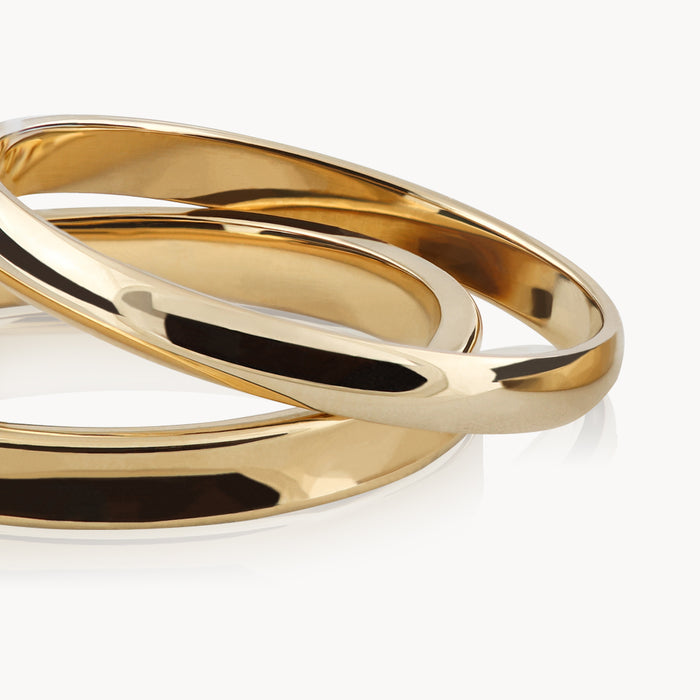
Depending on the desired colour, yellow, rose or white, the remaining 25% includes silver, copper or palladium.
This distinction prevents confusion when reading certificates or descriptions.
Differences between 9-, 14- and 18-carat gold
9-carat gold contains about 37.5% pure gold, 14-carat gold 58.3% and 18-carat gold 75%.
This affects appearance, value and how the jewellery feels in the hand.
A higher pure gold content gives greater depth of colour and brilliance to reflections.
It also affects the alloy's weight and strength.
18-carat gold's colour and density are prized in fine jewellery.
9- and 14-carat alloys sometimes have a different colour and wear differently depending on their component metals.
Recognising and authenticating 18-carat gold jewellery
Official hallmarks and their meaning
An 18-carat gold piece bears the discreet 750 mark, indicating 75% pure gold.
Do not confuse it with marks identifying different alloys.
In France, service-public.fr explains that an eagle's-head hallmark confirms the 18-carat standard.
Look in hidden areas: on clasps, inside rings or on the back of pendants.
The maker's mark, distinct from the guarantee hallmark, identifies the craftsperson or workshop.
It indicates provenance, but varies across periods.
For antique pieces, ask an expert to check the mark if authenticity is uncertain.
Visual clues and feel when worn
18-carat gold has an intense, luminous colour compared with lower-purity alloys.
For the same dimensions, an 18-carat gold piece weighs around 10–20% more than a 9-carat piece.
A precise scale helps comparisons.
Remember that the alloy's metals and the jewellery's thickness also affect perceived density.
18-carat gold in fine jewellery: standards and advantages
Strength, durability and daily wear
18-carat gold contains 750 parts pure gold per 1,000. This blend provides a density valued by fine jewellers.
It offers a balance: pure enough for brilliance and strong enough for lasting wear.
Strength nevertheless depends on the design, how you wear it and its care.
If you wear a ring daily, protect it from impacts and clean regularly.
Rich colours and creative possibilities
18-carat gold offers many colour possibilities.
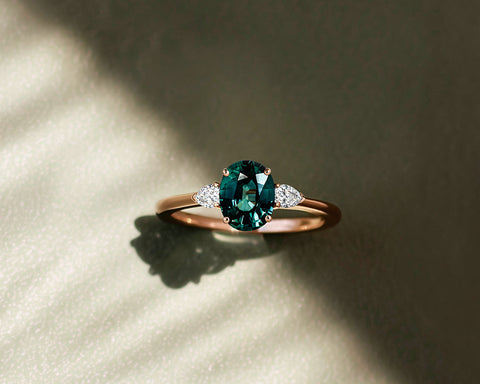
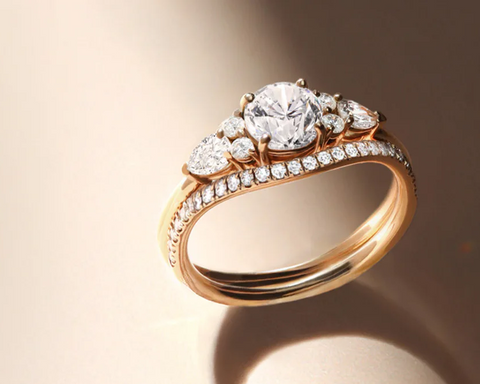
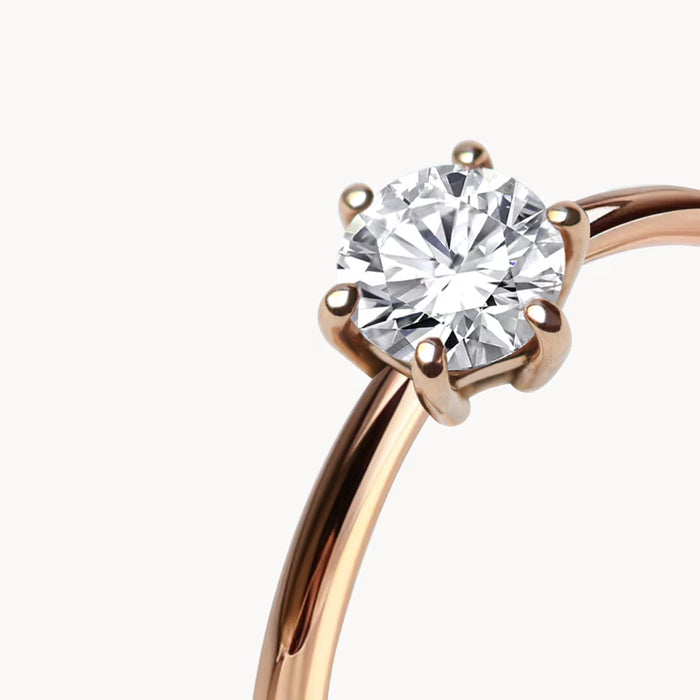
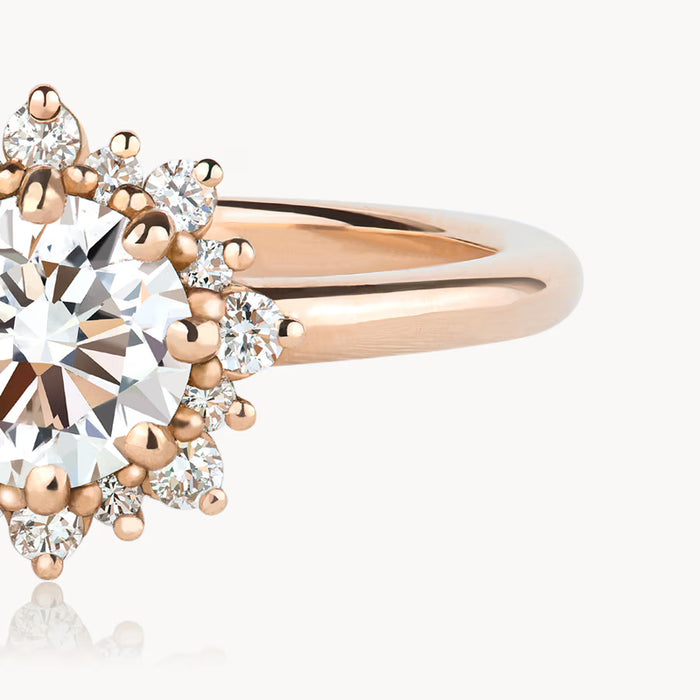
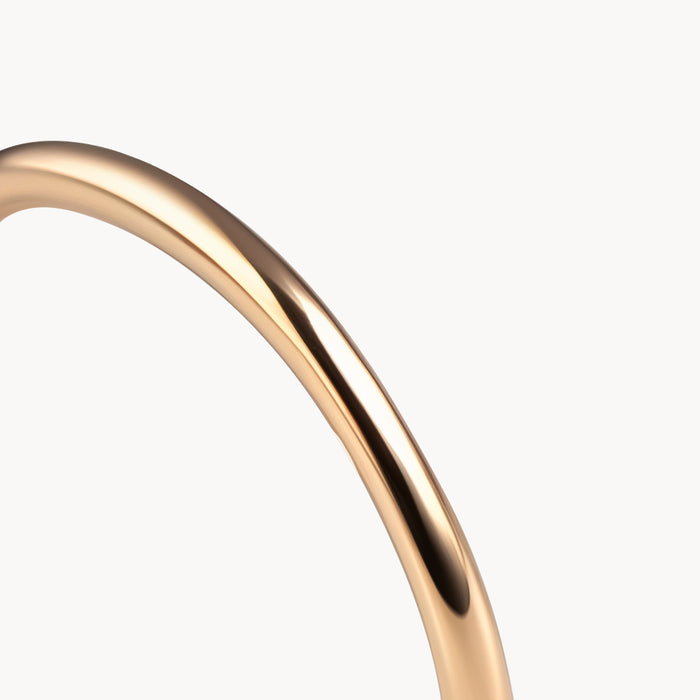
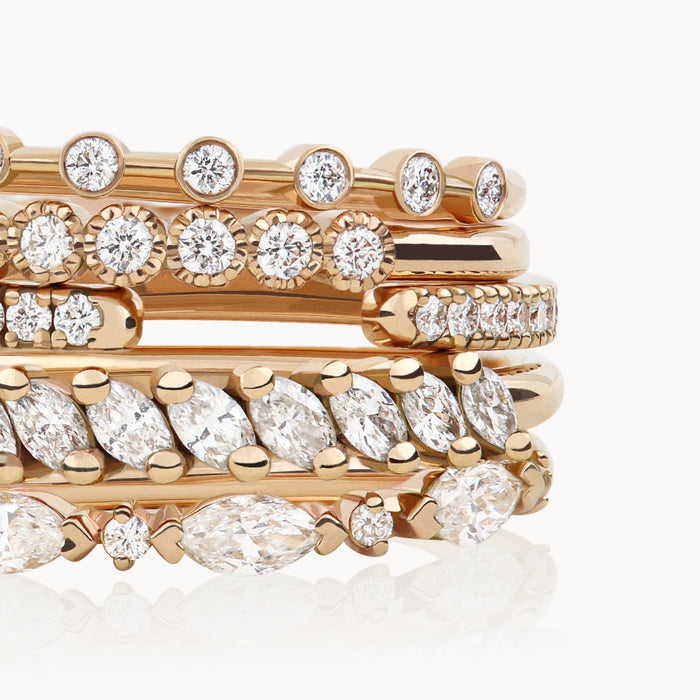
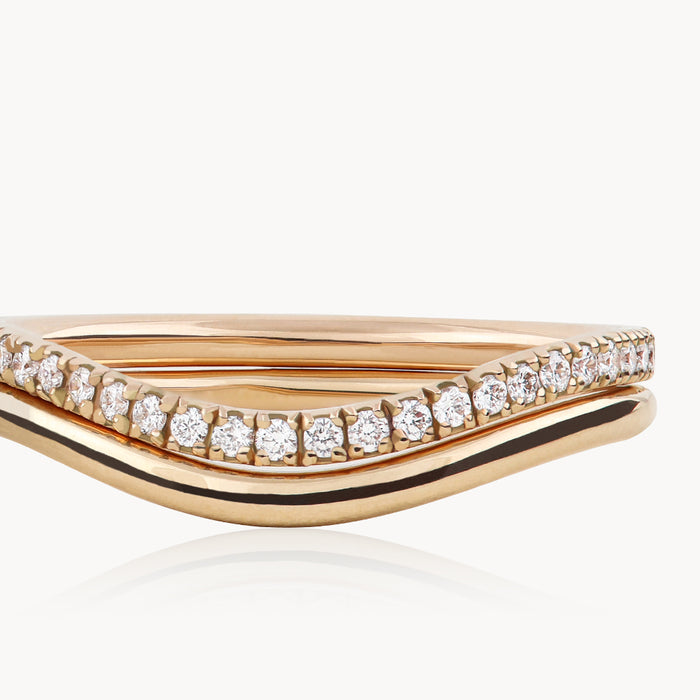
Added metals create luminous yellow, soft rose and elegant white gold, with a shade for each preference.
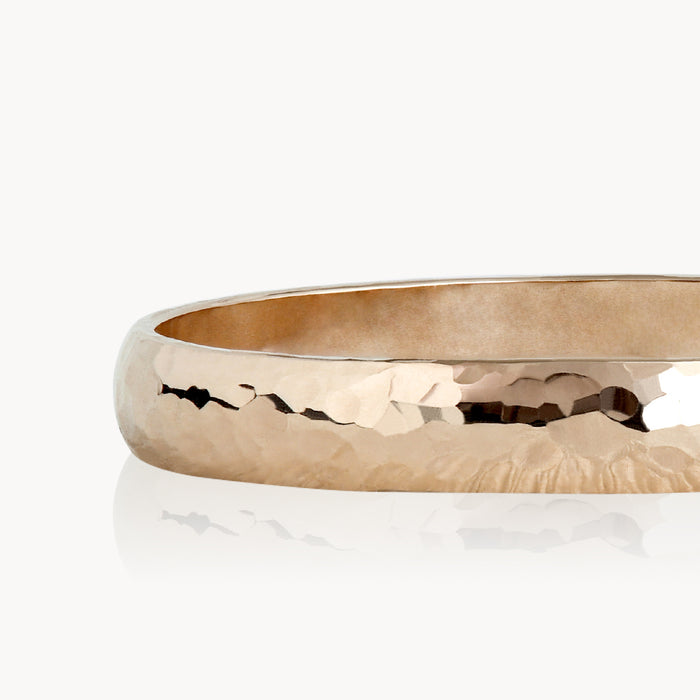
Jewellers use it to shape bespoke forms and finishes reflecting your taste.
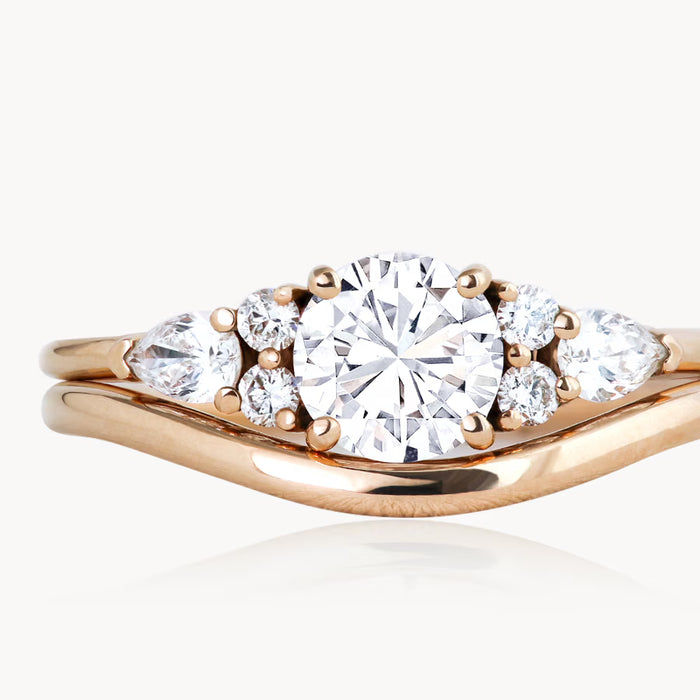
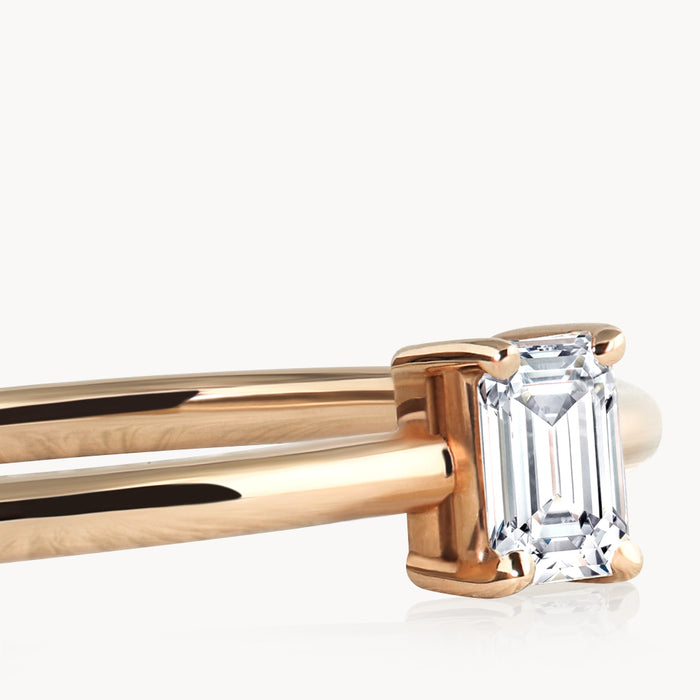
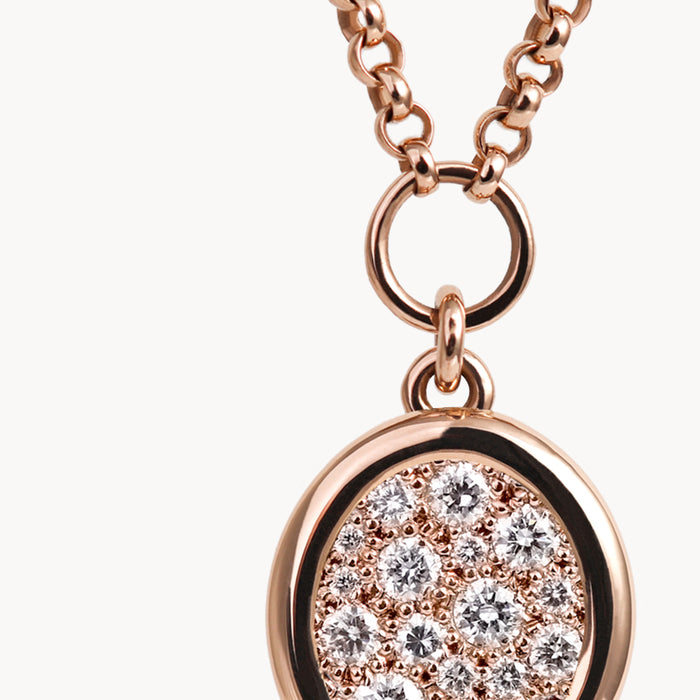
A personalised design may combine rose gold and gemstones, with each pairing refining its appearance.
Engraving a band or choosing a specially cut stone for a wedding ring illustrates this metal's scope for detailed personalisation.
Perceived value and jewellery tradition
18-carat gold remains a fine jewellery reference.
Its high pure gold content meets expectations for authentic, prestigious jewellery.
But a piece's heritage value also lies in its creation story and personal meaning.
Precautions and advice for a confident purchase
Essential checks before buying
Before buying 18-carat gold jewellery, check its hallmark.
The “750” mark indicates 750/1,000 pure gold, in line with French standards.
Request an authenticity certificate, particularly online or from an unfamiliar seller.
Issued by a reputable professional, it describes composition and conformity with standards.
Also check return and exchange conditions. French distance-selling rules generally provide a 14-day withdrawal period, subject to applicable exceptions, particularly for personalised items.
Avoiding common mistakes and scams
An unusually low price should prompt caution. A discount of more than 30% compared with market prices may warrant closer checks.
Examine authenticity and sales conditions carefully.
If sensitive or allergic to some metals, ask about the alloy to avoid irritating components such as nickel.
Check the seller's professional registration or authorisation. These precautions help avoid disappointment.
Understanding 18-carat gold value and valuation
Weight and other value factors
Weight matters when valuing 18-carat gold jewellery.
Depending on the design, a piece may weigh from 1 to 300 grams.
This determines its pure gold content and influences resale value.
Remember that weight is not the only factor.
18-carat gold consists of 75% pure gold with other metals, identified by the 750 mark.
This distinguishes it from lower-purity alloys.
Remember the difference between carats, measuring gold purity, and weight, measuring the total alloy in the piece.
Certificates and authenticity legislation
Authenticity certificates: content, benefits and limits
18-carat gold jewellery may come with an authenticity certificate.
It describes the metal, pure gold content in carats or thousandths and, where relevant, gemstones and their main properties.
At Deloison, authenticity certificates are provided according to the design and stones chosen.
Details are given when ordering, including guarantee limits relating to stone origin or certification, depending on availability and collection.
Hallmark legislation and traceability
In France, guarantee hallmark requirements depend on the type and weight of the piece and applicable exemptions.
The 750 mark identifies 18-carat gold.
Official hallmarking by an authorised body or professional certifies pure gold content under traceability rules.
Checking hallmarks is an important safeguard when buying 18-carat gold.
Not all creations carry the same legal marks; exemptions apply to certain pieces.
Qualified bodies or experts can provide checks alongside any certificates supplied at purchase.
Frequently asked questions
What is 18-carat gold and what is it made of?
18-carat gold, or 750 gold, contains 75% pure gold and 25% other metals such as copper, silver or palladium. This increases strength while preserving characteristic colour and brilliance.
How can you recognise 18-carat gold jewellery?
In France, 18-carat gold jewellery generally bears an eagle's-head hallmark on new or second-hand pieces meeting the 750 standard. Some pieces also display “750” or “18K”.
Why is 18-carat gold favoured in jewellery?
It combines purity and strength. Unlike pure 24-carat gold, too malleable for many everyday designs, 18-carat gold offers durability for daily wear while retaining brilliance.
What is the difference between 18- and 24-carat gold?
24-carat gold is 99.9% pure and very soft for many jewellery applications. 18-carat gold contains 75% pure gold and is harder, making it suitable for durable jewellery.
How is 18-carat gold jewellery valued?
Value depends on metal weight and gold prices. A 10-gram piece contains about 7.5 grams of pure gold. Artistic value, design work, gemstones and brand also contribute.
Is 18-carat gold suitable for daily wear?
Yes. Its composition offers strength for everyday use while retaining brilliance.
What is the difference between 18- and 9-carat gold?
18-carat gold contains 75% pure gold; 9-carat gold contains 37.5%. This affects colour, durability and value. 18-carat gold provides a richer colour, while wear resistance also depends on the alloy.

SECURE PAYMENT

PAYMENT IN 3 INSTALMENTS, INTEREST-FREE

FREE ENGRAVING