






HOW TO CHOOSE AN ENGAGEMENT RING
This guide to choosing an engagement ring explains the key steps in finding a piece that reflects your story: setting a realistic budget, understanding your partner’s tastes and lifestyle, and choosing the metal and gemstone, with particular attention to certification. It explores different styles, including solitaire, vintage-inspired and personalised rings, common mistakes to avoid, and the importance of size and symbolism. It also offers advice for buying an engagement ring online with confidence.
Choosing an engagement ring is an important part of planning your proposal. Here are some essential tips to guide you step by step:
1. Set your budget: Before you begin searching, decide how much you want to spend on the engagement ring. This will help you narrow down your options and focus on designs within your budget.
2. Understand your partner’s preferences: Look at the jewellery your partner wears regularly to identify favourite colours, shapes and motifs. Choose a ring that reflects their tastes, whether they prefer a clean design, refined details or a vintage touch.
3. Consider your partner’s lifestyle: Their everyday life should inform your choice. For someone with an active lifestyle, choose a sturdy ring suited to daily activities to ensure comfort and durability.
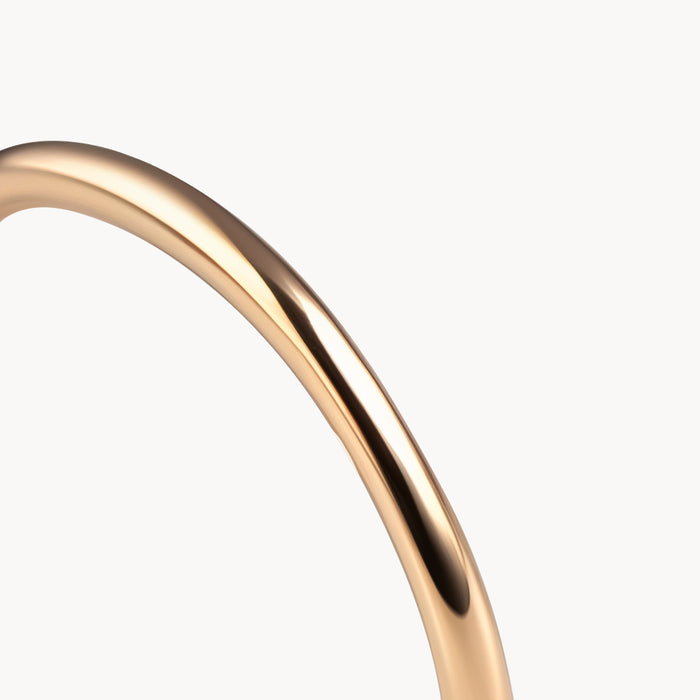
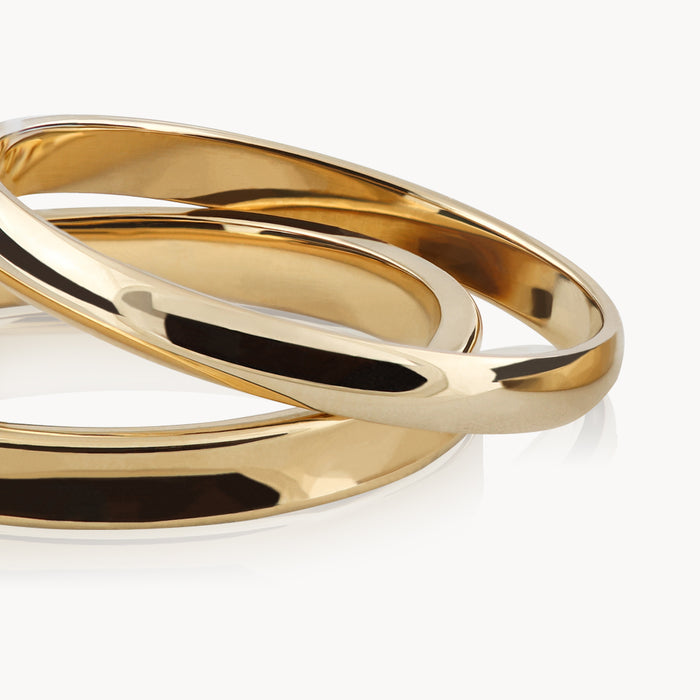
4. Choose the ring metal: Engagement rings are often made in yellow, rose or white gold. Choose a metal that complements your partner’s skin tone or favourite jewellery, taking their habits and personal style into account.
5. Find the right ring size: An accurate size ensures a comfortable fit. If you do not know it, discreetly borrow a ring your partner wears on the intended ring finger. Make sure it is worn on the correct finger, as sizes can differ between the right and left hands, particularly depending on their dominant hand.
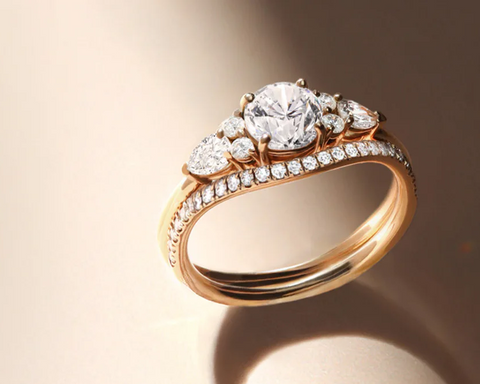
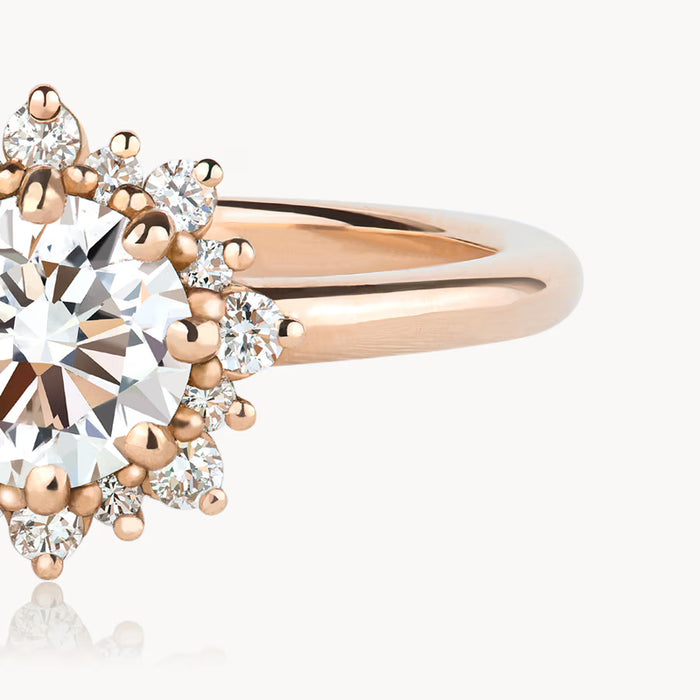
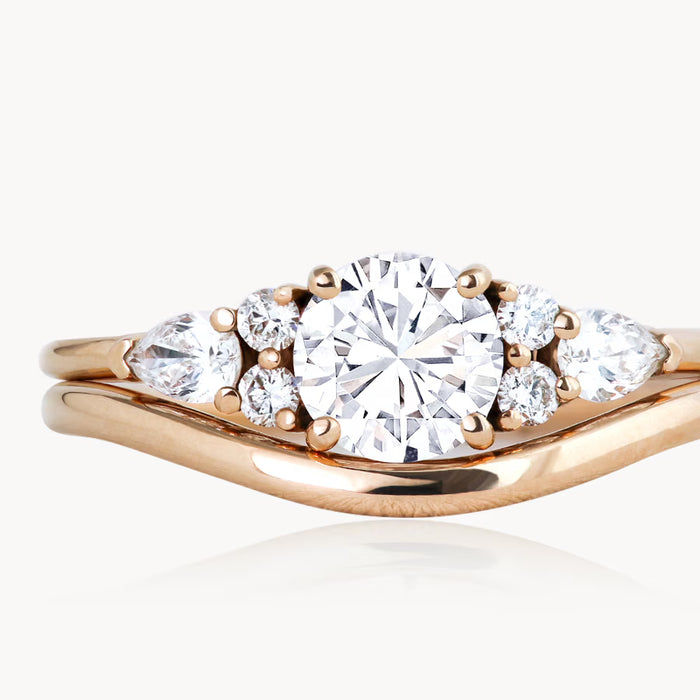
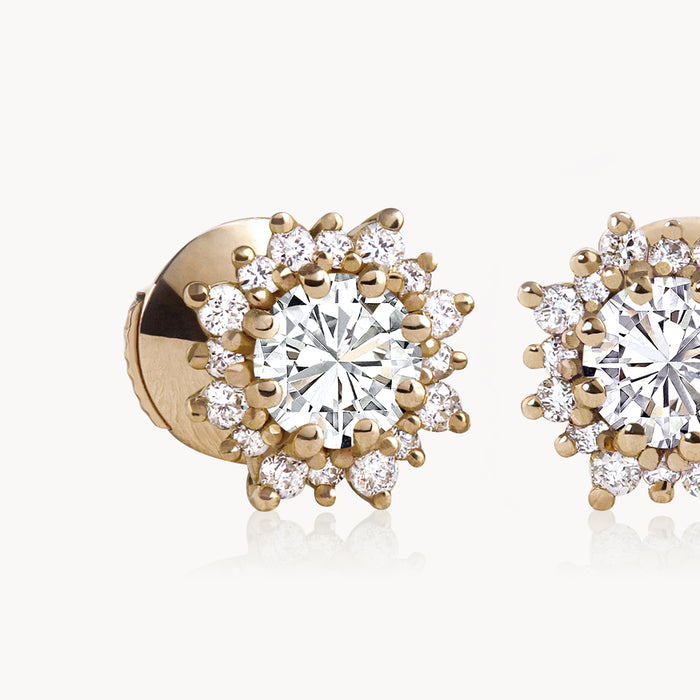
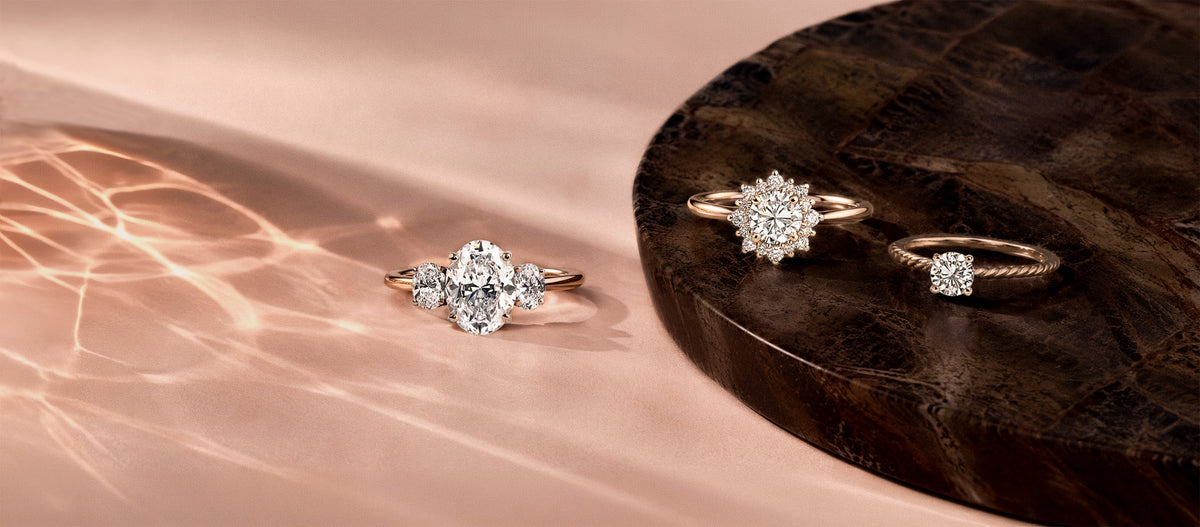
6. Choose the ring style: Styles include solitaire rings, solitaire rings with side stones and halo engagement rings. Choose the style that best reflects your partner’s personality and aesthetic to make the proposal even more personal.
Trust your instinct: Ultimately, follow your intuition and choose the ring that feels right for your partner. Your feelings can guide you towards a sincere and memorable choice.
Gemstones for engagement rings
When choosing an engagement ring, the centre stone immediately draws the eye. Diamond remains the classic and most popular choice, accounting for approximately 75% of engagement rings. Its popularity is linked to its symbolism of purity and lasting commitment.
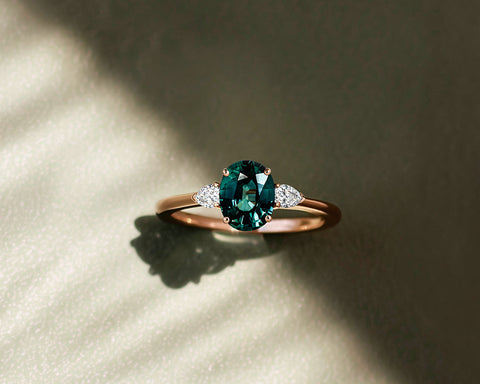
Other gemstones are also appreciated for their distinctive beauty and meaning. Green and blue sapphires, emeralds and rubies bring colour and individuality to a ring while retaining strong symbolic value.
Before choosing a less conventional gemstone, learn about its meaning and durability. A choice based solely on appearance, without considering symbolism or resistance to everyday wear, may prove disappointing over time.
Metals used in engagement rings
White gold, yellow gold and rose gold are among the most widely used metals for engagement rings.
Before choosing a metal, check for any allergies, particularly to alloying metals such as nickel, which may be present in some rings. Choosing solely by appearance without considering sensitivity can lead to skin irritation. Selecting a metal suited to the wearer is as important as finding the right style.
Gemstone certification for engagement rings
Gemstone certification is an essential consideration before buying an engagement ring. A credible certificate confirms that the stone has been assessed by an independent, recognised organisation, such as the GIA (Gemological Institute of America) or the AGS (American Gem Society). These documents describe characteristics including colour, clarity, carat weight and proportions, providing transparency for the buyer.
At Deloison Paris, certification applies to engagement rings with a centre stone weighing at least 0.30 carats.
As an indication, a GIA-certified diamond can cost up to 20% more than an uncertified stone because of the assurance provided about its characteristics. Choosing a stone with a recognised certificate can help avoid difficulties on resale: a ring without formal certification may lose financial value or be refused by some professionals. Always assess all the stone’s characteristics rather than certification alone, as a certificate does not cover every aspect of quality.
Engagement ring styles: classic, modern and vintage
When choosing an engagement ring, its aesthetic makes all the difference. It tells your story and defines the character of the piece. Three broad approaches stand out: timeless refinement, contemporary design and vintage charm. Each has its own shapes and meanings.
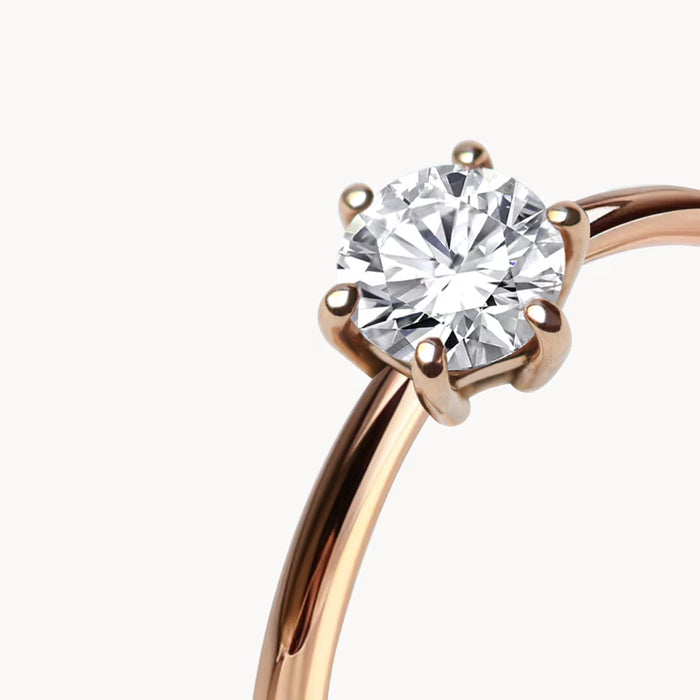
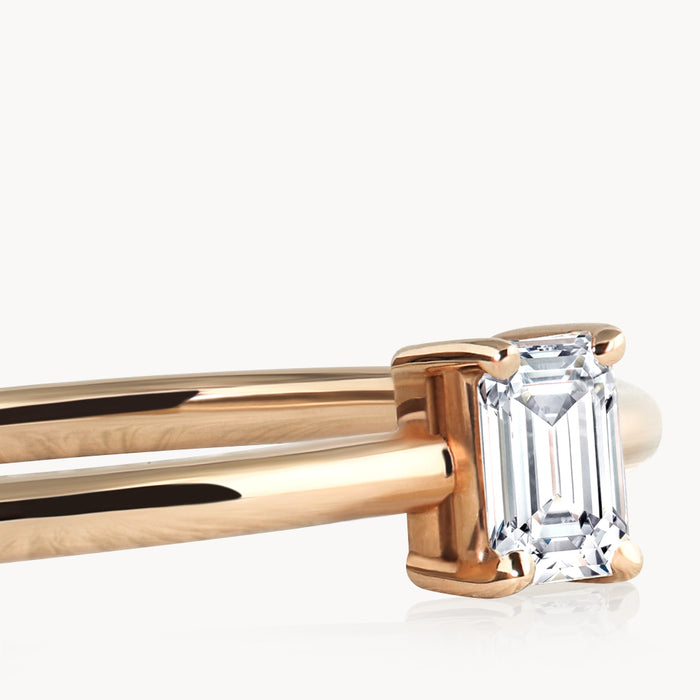
Timeless elegance focuses on the essentials. A solitaire embodies this simplicity: a delicate setting and a centre stone that catches the light. For a lasting classic, a pared-back design moves through changing fashions without losing its appeal.
Contemporary creations offer scope for creativity, with unexpected shapes, unusual materials or a detail that feels uniquely yours. Vintage charm is also increasingly popular: nearly 30% of rings on the market draw inspiration from earlier eras. Carefully engraved details, finely set gemstones and distinctive character make a vintage-inspired ring a personal choice that can reflect your partner’s tastes.
Personalised engagement rings
For a truly individual piece, choose a bespoke creation shaped around your wishes and those of your partner. This approach suits anyone looking for an unusual shape, a distinctive setting or a meaningful engraving. Personalisation can include the arrangement of gemstones, an intimate message or a setting designed specifically for you.
Choosing an engagement ring that reflects your partner’s wishes
The ring should speak to the person receiving it. What matters is finding the right choice for your partner rather than following every trend. A delicate solitaire, an antique family ring or a bold personal creation: their jewellery and accessories reveal their preferences better than any rule.
Considering what they love makes this unique moment more meaningful. Discuss the subject discreetly or ask their loved ones for help. Listening to their wishes helps prevent disappointment and makes the proposal deeply personal.
How to choose an engagement ring size
Finding the right engagement ring size requires an accurate measurement of the intended finger. A well-fitting ring already worn by your partner can be used with a ring sizer to establish the size. In France, ring sizes commonly range from 48 to 68.
This approach helps avoid surprises and makes a discreet purchase easier. Comfort is essential: a ring that is too tight can become uncomfortable, while a little allowance makes everyday wear more pleasant.
Measuring too tightly is a common mistake. Fingers may swell slightly during the day or as temperatures change, so allow a little room for comfort.
Ways to measure ring size
Using an existing ring is a reliable way to determine an engagement ring size. Place it on a ring size chart or have it measured by a professional. This gives a measurement suited to the intended wearer.
If no reference ring is available, a strip of paper can provide an estimate. Wrap it around the ring finger, mark where the ends meet and measure the length with a ruler.
Common mistakes to avoid when choosing an engagement ring
One frequent mistake is overlooking your partner’s correct ring size. As an indication, nearly 50% of people buying an engagement ring do not know the correct size before purchase, which can lead to an unsuitable order if no accurate measurement is taken.
Underestimating the difficulty of resizing is another pitfall. Not every ring can be easily adjusted after purchase, depending on its setting and gemstones. Before deciding, check the size with a ring sizer or an existing ring to reduce disappointment and avoid potentially complicated returns.
Current engagement ring trends
The solitaire remains a leading engagement ring style. Featuring a single gemstone on a discreet setting, it accounts for approximately 50% of engagement ring sales. Its timeless appearance and elegant simplicity allow you to choose a gemstone according to the qualities that matter most to you.
Vintage-inspired designs and personalised creations are also becoming more visible. There is a wide variety of settings and gemstones to suit different preferences. The solitaire’s popularity does not make it the only choice available.
Gemstone quality is particularly important in a solitaire, as its clean design highlights the centre stone. Selecting a gemstone carefully for both its appearance and certification helps ensure lasting satisfaction.
Engagement ring finishes
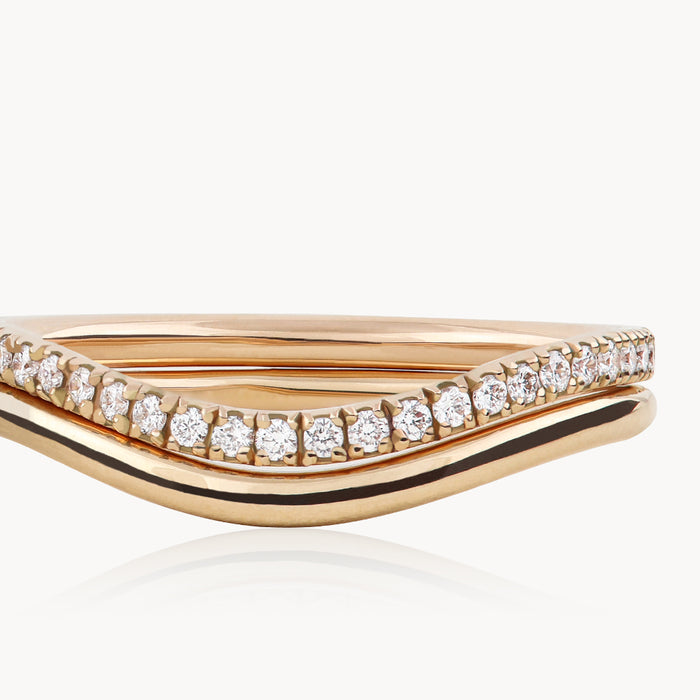
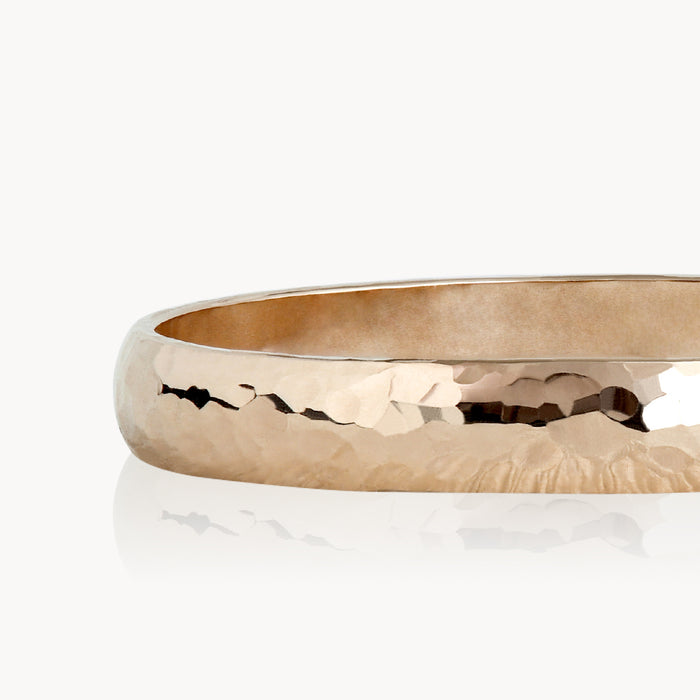
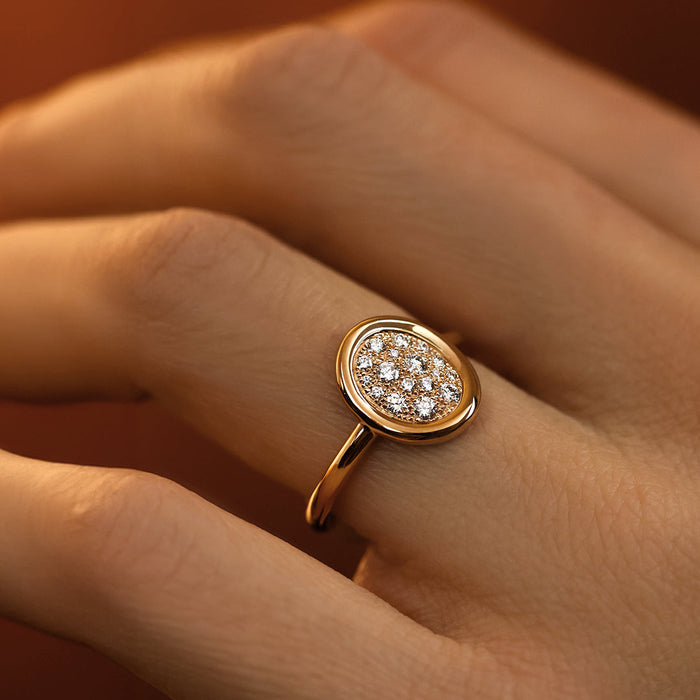
Different finishes offer another way to personalise an engagement ring. A mirror polish is popular with those who appreciate intense shine. It reflects the light and highlights the setting and gemstone, but may require regular care to retain its brilliance.
Some couples prefer a matte finish for a more discreet, contemporary look. Although modern, it may be less straightforward to clean daily. Choose a finish suited to the wearer’s lifestyle, as some require more attention to scratches and wear.
How fashion influences engagement ring choices
Trends increasingly influence engagement ring purchases. Retro-inspired designs in particular have seen sales grow by 30% over four years. Fashion can provide inspiration for a distinctive ring or a design that feels contemporary.
However, adapt your choice to your future fiancé’s personality. Following fashion or a popular design alone may overlook their actual preferences. Use trends as inspiration and make sure they fit your partner’s tastes and personal style.
The importance of setting an engagement ring budget
Before falling in love with a ring, decide how much you want to spend. A budget guides your choice and helps you stay focused among the available options. Setting even an approximate amount establishes your priorities and avoids surprises or regret after buying a piece beyond your intended limit.
The meaning of engagement ring symbols
Your engagement ring expresses more than love. Its symbolism depends on your values, cultural background and gemstone choice. Consider what each stone says about your story. For some, diamond represents eternity; others choose a stone that reflects fidelity, wisdom or passion. Follow what matters to you as well as tradition.
Engraved motifs and the shape of a setting can hold memories unique to a couple. A symbol that carries meaning in one culture may not do so in another. Consider this diversity when choosing a ring that reflects your style and beliefs.
Diamond holds a special place in engagement rings. Its rarity and durability evoke lasting commitment and the purity of a bond that endures. Yet a sapphire or another gemstone can also express your feelings. Your own story gives the stone its meaning.
Engagement ring engraving styles
Engraving an engagement ring adds a tender message, initials or a motif that reflects you. Whether discreet or visible, this detail gives the piece an intimate dimension. Initials, a date or a simple sign are classic options, while a personal symbol can recall an important moment.
Before choosing, consider the ring’s size and shape. Select a legible inscription that complements the design and setting. Balance the size of the motif with the overall style so that the ring truly tells your story.
Questions to ask when buying an engagement ring
Ask the jeweller about gemstone certification, origin and authenticity, including recognised certificates.
Also ask about returns, resizing, engraving and the warranty period. Find out what after-sales support is available for future adjustments. Clarifying these details before ordering helps make the purchase more reassuring and avoids unexpected problems.
Frequently asked questions
Which gemstone shape best flatters the hand?
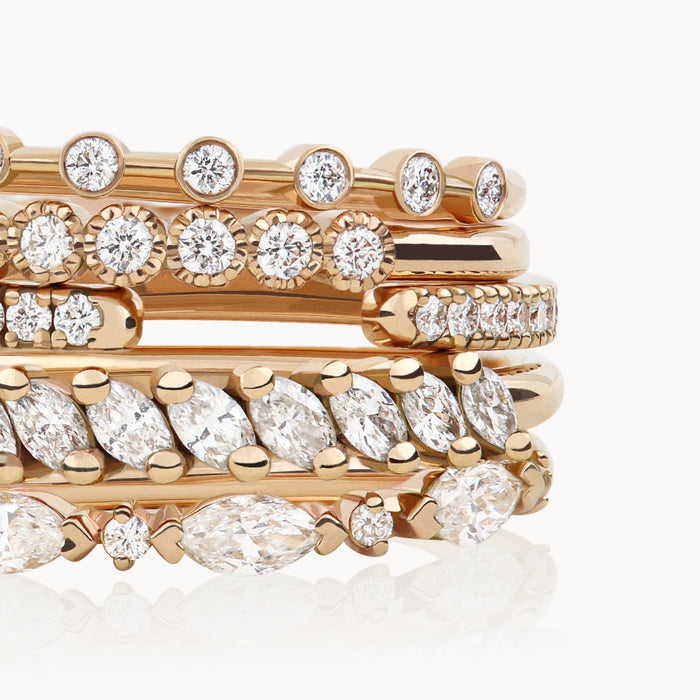
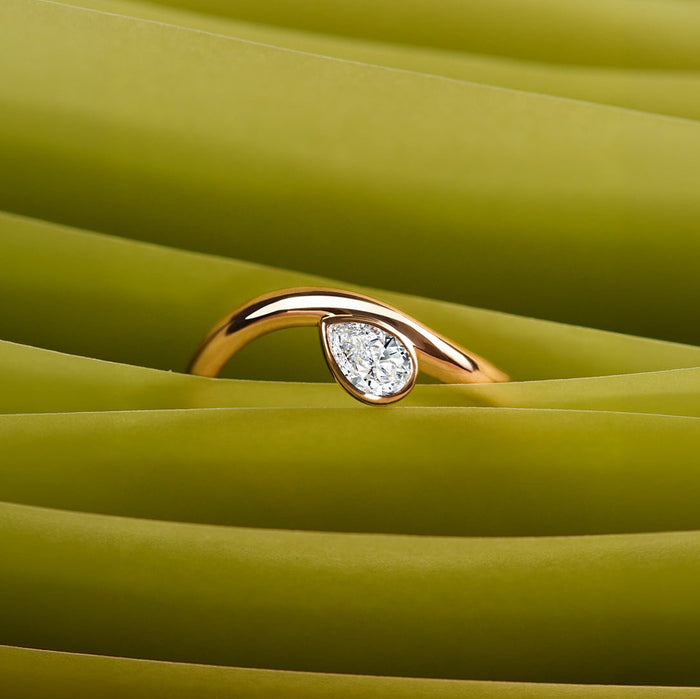
Round, oval and pear shapes tend to visually elongate the fingers, offering classic elegance. On a slender hand, emerald and marquise cuts can also add character.
How far in advance should you buy an engagement ring?
Allow at least two to three months before your planned proposal, particularly for a bespoke creation or engraving. This gives you time to compare, personalise and arrange any necessary adjustments.
Natural or lab-grown diamond: what are the main differences?
A natural diamond forms in nature over millions of years, while a lab-grown diamond is created in a laboratory in a matter of weeks. Both are chemically identical, but natural diamonds generally have a higher value and different symbolic significance.
How should you care for an engagement ring to preserve its brilliance?
Clean the ring regularly with warm soapy water and a soft brush, and avoid chemicals. Periodic checks by a jeweller also help ensure the gemstones remain securely set.

SECURE PAYMENT

PAYMENT IN 3 INSTALMENTS, INTEREST-FREE